

If you're planning a Passivhaus or net-zero self-build, you've probably already discovered that most mainstream mortgage literature wasn't written with you in mind. Standard self-build guides talk about brick-and-block versus timber frame, stage payments, and contingency funds (all of which still apply to you), but they rarely explain how a lender's surveyor is supposed to value a home with 300mm of wall insulation, a mechanical ventilation system, triple glazing, and possibly no connection to mains gas at all. That gap matters because the way a valuer treats an unusual specification has a direct effect on how much you can borrow and when funds are released.
This guide looks specifically at how lenders and RICS-registered valuers assess Passivhaus and net-zero self-builds: what they're comfortable with, where they tend to get nervous, and how to present your project so that an unfamiliar specification doesn't translate into a smaller mortgage or a delayed drawdown.
Before we get started, if you want to learn more about Passivhaus, check out The Self Builders Podcast! We speak to the experts in Season 2, Episode 12 on “why Passivhaus is the future”. Find us on YouTube, Apple Podcasts, or Spotify.
Why does an eco-build specification matter to a mortgage lender?
A self-build mortgage is secured against the value of the finished home, and at each stage of construction, it's secured against the value of the partly finished home. Lenders release money in arrears or advance against your project cost or an independent valuation, and that valuation is only as reliable as the valuer's ability to find comparable evidence. Passivhaus and net-zero homes are still a small fraction of UK housing stock, so 'comparables' in the traditional sense (three similar houses sold nearby in the last six months) are often hard to find.
This isn't a reason to avoid building to a high energy standard. It's a reason to choose a lender that already understands non-standard construction and energy performance, and to brief your valuer properly so the specification is reflected in the figure they sign off, rather than discounted because it's unfamiliar.
What exactly counts as a Passivhaus or net-zero specification?
Lenders and valuers will usually encounter a mix of the following on an eco-focused self-build, and it helps to know which elements they're used to and which they'll want more detail on:
Certified Passivhaus design: built to the methodology's recognised targets for space heating demand, primary energy demand, and airtightness, independently verified through the certification process.
Very high levels of insulation and airtightness without full Passivhaus certification: sometimes called 'Passivhaus principles' or 'AECB Building Standard' builds.
Mechanical ventilation with heat recovery (MVHR), which is close to universal on airtight low-energy builds and unfamiliar to some valuers who associate ventilation with simple extractor fans.
Triple glazing and thicker-than-standard wall, floor and roof build-ups, which affect both build cost per square metre and how the structure reads on a valuation.
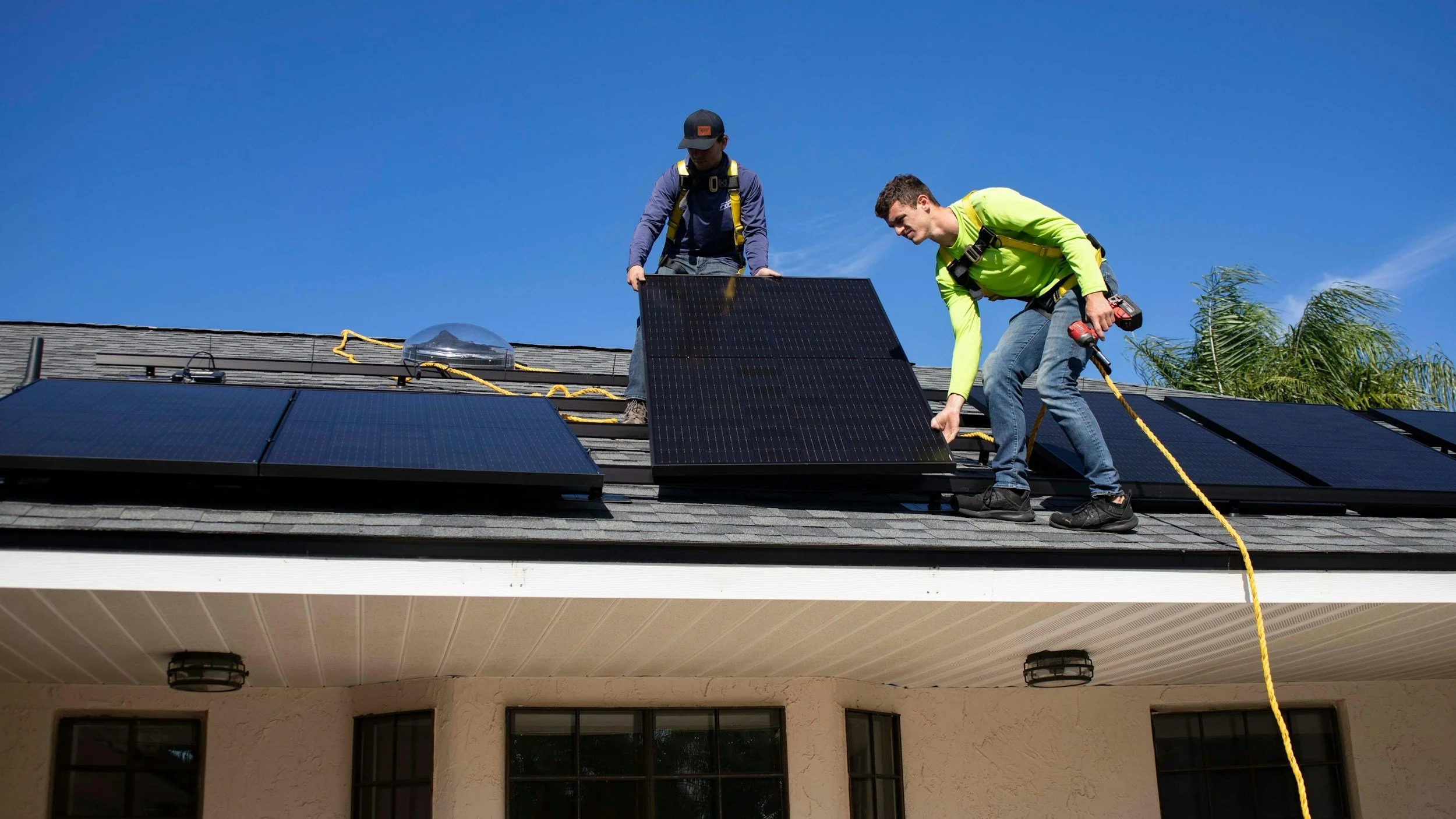
Renewable and low-carbon heating and power: air source or ground source heat pumps, solar PV, battery storage, and occasionally biomass.
Off-grid or part off-grid services: private water supply, water treatment plant or septic system instead of mains drainage, and in some rural cases no mains electricity connection at the point of purchase.
How do lenders treat off-grid and renewable energy systems specifically?
Heat pumps, solar PV and battery storage are now mainstream enough that most lenders active in the self-build space treat them as a normal, even desirable, specification rather than a red flag. Where it gets more involved is when a plot is off-grid for water, drainage or electricity rather than just heating:
Private water supply: lenders will typically want evidence of a reliable, tested supply (borehole or spring) and may ask for a water quality report. A supply that's untested or shared informally with a neighbouring property tends to raise more questions.
Non-mains drainage: septic tanks and package treatment plants are common on rural self-builds and are well understood by most specialist lenders, provided installation meets current building regulations and any necessary Environment Agency permit or exemption is in place.
Off-grid electricity: a property relying entirely on solar, battery storage and a generator for backup, with no grid connection at all, is the scenario lenders look at most closely, simply because it's the least common and the hardest to value if you ever needed to sell quickly.
None of this rules a project out. It does mean that the more 'off-grid' your services are, the more it helps to have already lined up a lender experienced with rural and ecological self-builds before you commit to land or a build contract, rather than discovering at application stage that your first-choice lender simply doesn't have an appetite for it.
Will an unusual eco-specification affect my valuation?
It can, and in both directions. A well-documented, professionally certified eco-build can support a strong valuation because its low running costs and durable, increasingly in-demand specification make it attractive. An eco-specification that's poorly documented or relies on materials and systems the valuer doesn't recognise can lead to a more cautious figure, simply because the valuer can't find comparable evidence and has to default to a conservative position.
Practical steps that help a valuer reach a fair figure include:
Providing the full specification document, not just the planning drawings, so the valuer can see exactly what's being built and why it costs what it costs.
Sharing any Passivhaus Planning Package (PHPP) modelling, SAP/EPC predictions, or third-party certification paperwork as it becomes available.
Asking your broker to brief the lender's valuer in advance where the panel allows it, particularly on rural or off-grid plots where access and services need explaining.
Keeping a clear cost breakdown that separates 'standard' build cost from the cost premium of the eco-specification, so a lender can see exactly where the extra spend is going.
Does a Passivhaus or net-zero build cost more, and how does that affect what I can borrow?
Certified Passivhaus and very low-energy builds typically carry a cost premium over a standard new-build specification, largely driven by insulation thickness, airtightness detailing, high-performance glazing and the MVHR system. Because Mayflower lends up to 75% of the total project cost on a self-build mortgage (meaning you'll need a cash deposit of around 25%), a higher overall project cost means a larger cash deposit in pound terms, even though the percentage stays the same. It's worth modelling this early: a £400,000 standard-specification build and a £460,000 Passivhaus-equivalent build on the same plot require different deposit amounts even at an identical loan-to-cost ratio.
On the other side of the ledger, some lenders that specialise in green and ecological lending offer rate discounts or cashback for certified low-energy or Passivhaus builds, which can offset some of that premium over the life of the mortgage. Whether that's available to you will depend on the specific lender and product, which is exactly the kind of detail worth checking before you fix your specification.
How does stage funding work for an eco-build compared with a standard self-build?
The underlying mechanics don't change: funds are still released in stages (typically tied to substructure, wall plate/timber frame erection, wind and water tight, first fix, and second fix/completion) either as advance payments ahead of each stage or in arrears once it's complete. What changes is the detail within each stage. Airtightness testing, MVHR commissioning, and any Passivhaus certification sign-off tend to land late in the build, often close to or just after practical completion, so it's worth discussing with your lender exactly which stage triggers the corresponding drawdown and what evidence they'll want to see: a certificate, a contractor's invoice, or a valuer's site visit.
If you're building a timber frame to hit Passivhaus airtightness targets, the stage-payment structure for timber frame already looks different from a bricks-and-block build, because a large proportion of the cost and value is created off-site or during a faster wind-and-watertight phase. Layering eco-specification requirements on top makes it even more important to agree the drawdown schedule with your lender before work starts, not after.
How can I improve my chances of approval or control costs for an eco-build?
Get quotes and a fixed specification before applying, so your project cost figure is realistic and doesn't shift significantly once the mortgage is in place.
Choose a lender with demonstrable experience in ecological and non-standard self-builds rather than assuming any self-build lender will be equally comfortable with the specification.
Commission an EPC prediction or PHPP energy model early. Having a credible, professionally produced energy performance forecast gives the valuer something concrete to work from.
Document off-grid services (water, drainage, power) thoroughly, including test results and compliance paperwork, well before the valuation stage.
Build a realistic contingency into your budget. Eco-specifications can be more exposed to material and skilled labour availability than standard finishes, so a tighter-than-usual contingency increases the risk of a funding gap mid-build.
Ask your broker to involve the lender's valuer early on for unusual or rural plots, particularly where access, services, or an off-grid water supply need to be explained in person rather than on paper.
Common mistakes to avoid
Assuming any self-build lender will treat a Passivhaus or off-grid specification the same as a standard timber-frame build: appetite varies significantly between lenders.
Leaving energy modelling and certification paperwork until late in the project, then expecting the valuer to take the specification on trust at the final stage payment.
Underestimating the cash deposit required when an eco-specification pushes total project cost up, since the lending percentage stays the same but the pound amount doesn't.
Treating off-grid water, drainage or power as a minor detail rather than something to evidence and discuss with the lender from the outset.
Not confirming exactly which stage triggers each drawdown when certification or testing (such as an airtightness test) happens later than a 'standard' stage milestone would.
Key takeaways
Passivhaus and net-zero self-builds are mortgageable, but valuers need clear documentation because comparable evidence is limited.
Off-grid water, drainage, and electricity receive more scrutiny from lenders than renewable heating and power, which are now mainstream.
A higher-specification build usually means a higher total project cost, and a larger cash deposit even at the same lending percentage.
Energy modelling, certification paperwork and a clear cost breakdown all help a valuer reach a fair figure rather than a cautious one.
Agree on your stage-payment schedule with the lender before work starts, particularly around when certification and testing happen relative to drawdown points.
Building to Passivhaus or net-zero standards is one of the more rewarding ways to self-build, but it pays to have a broker on your side who understands how lenders and valuers actually treat these specifications in practice. Mayflower Mortgage arranges self-build mortgages structured around exactly this kind of project, lending up to 75% of total project cost with drawdown schedules built around your actual construction method.
Book a free call to talk through your eco-build, or visit our self & custom build mortgages page for more details.
YOUR PROPERTY MAY BE REPOSSESSED IF YOU DO NOT KEEP UP REPAYMENTS ON YOUR MORTGAGE OR ANOTHER DEBT SECURED AGAINST IT. Mayflower Mortgage & Finance LTD is authorised and regulated by the Financial Conduct Authority under the firm reference number of 944601.