

Whats New .
Industry Updates.
Self Build News.
Whats New . Industry Updates. Self Build News.
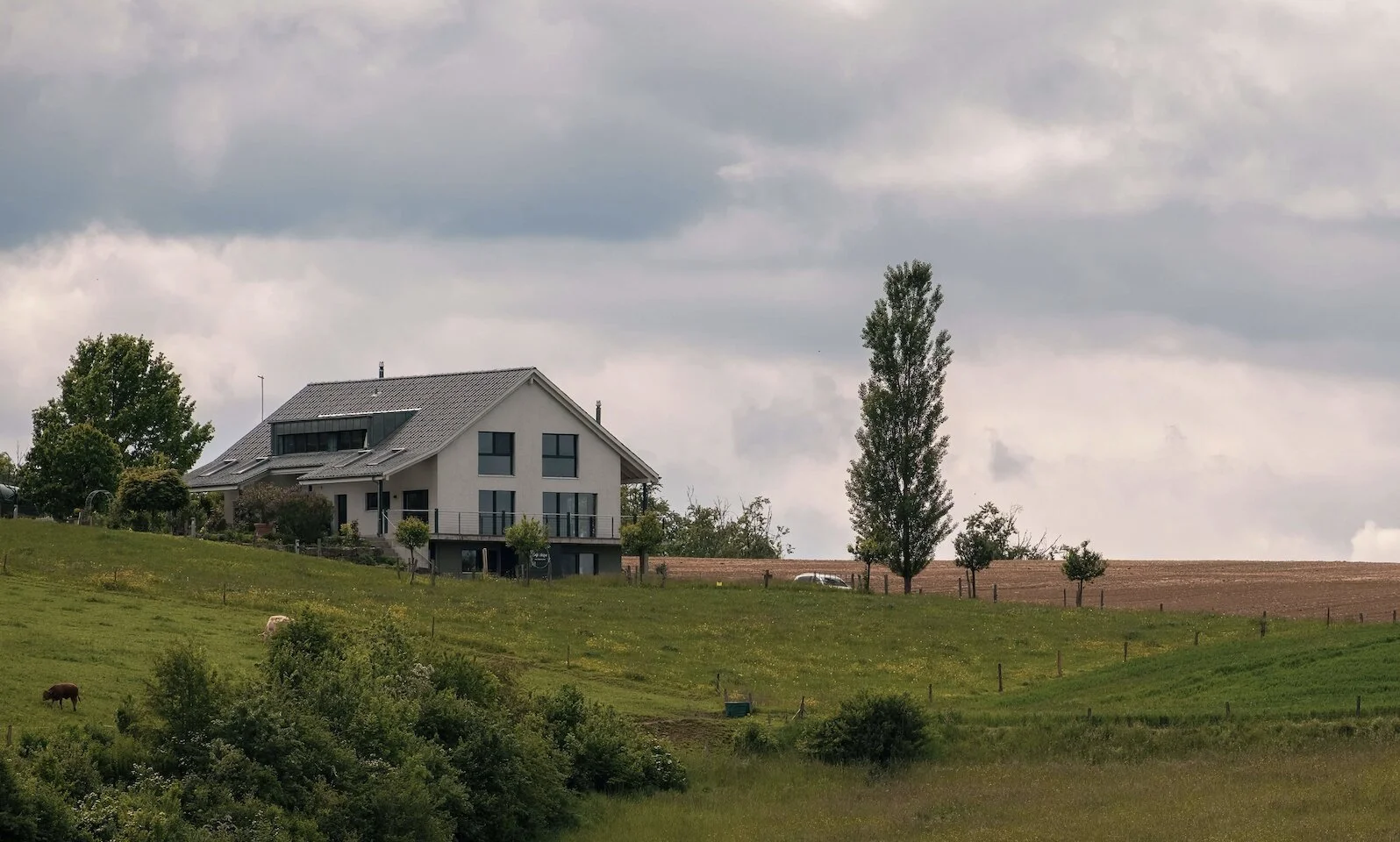
How asbestos and structural surveys affect your Barn Conversion Mortgage approval.
Before a lender will fund your barn conversion, they need to know exactly what they're lending against, and for agricultural buildings that means a structural survey and, very often, an asbestos survey too. What these reports find directly shapes your offer: how much you can borrow, what conditions are attached, and whether funds are held back as a retention.
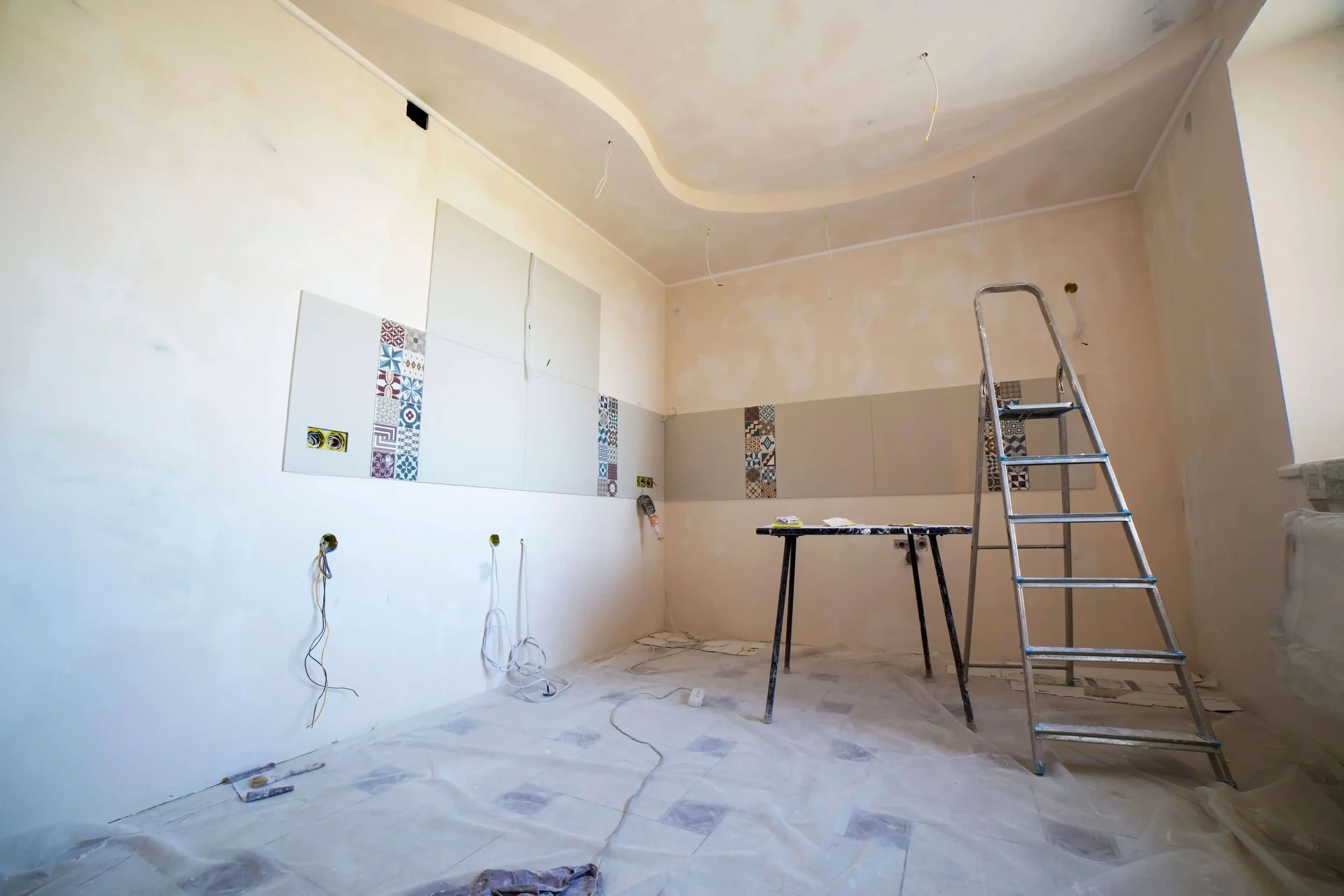
Can I get a renovation mortgage for an uninhabitable property?
You've found a property with real potential (maybe a probate sale or a long-empty house) but with no working kitchen or bathroom, every mainstream lender says the same thing: declined. Here's why standard mortgages won't touch an uninhabitable property, and how a renovation mortgage is structured to fund the gap.
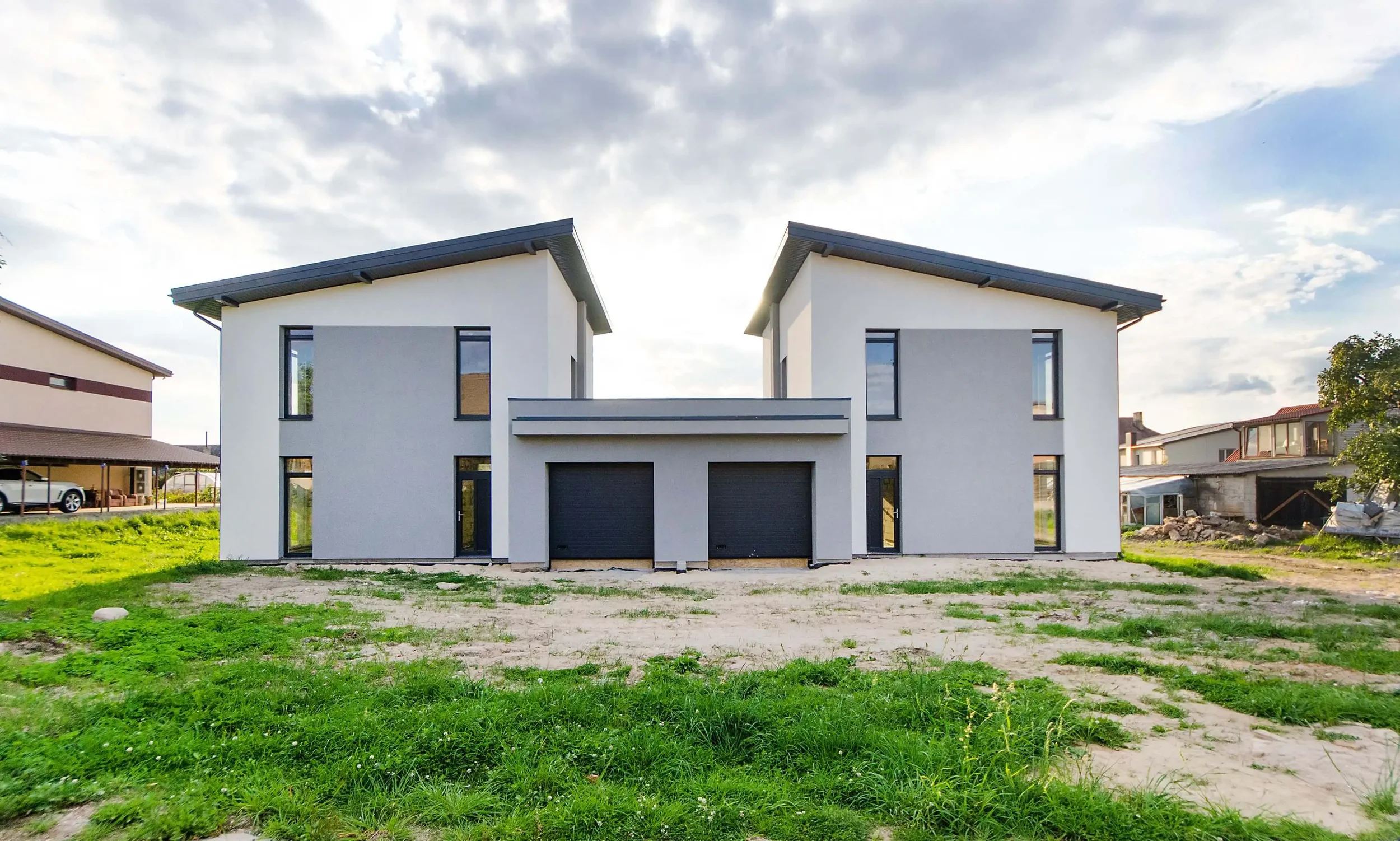
Do EPC upgrades affect your Renovation Mortgage?
With rising minimum standards for rented homes and the real value a strong EPC rating adds, energy-efficiency upgrades are now a core part of most serious renovations. Which raises the question of whether a renovation mortgage will fund them.
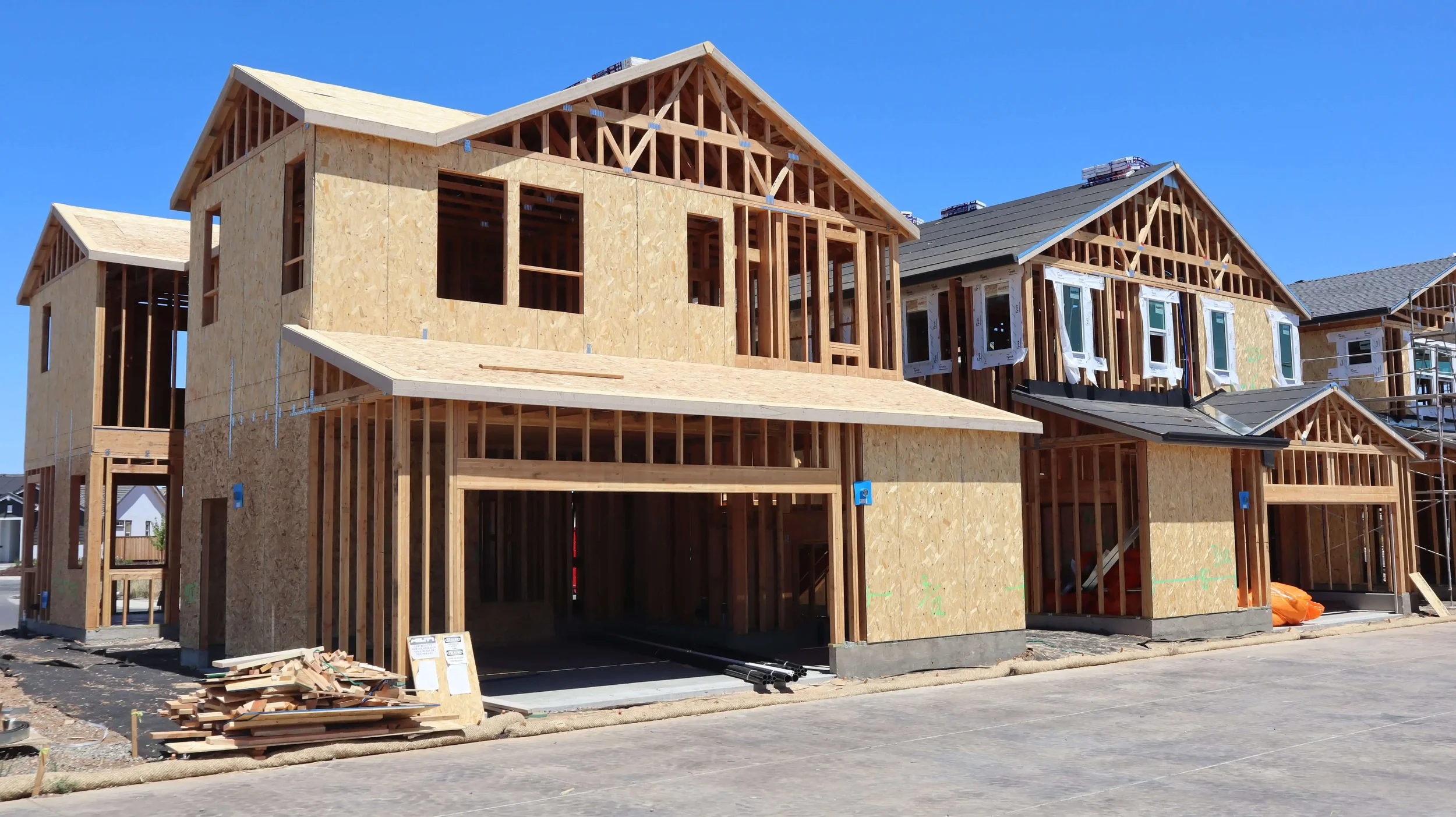
What is GDV vs GDC in development finance?
Almost every development finance conversation comes back to two figures: Gross Development Value (GDV) and Gross Development Cost (GDC). Understanding how lenders use them together to size a facility is the single biggest factor in how much you can actually borrow.
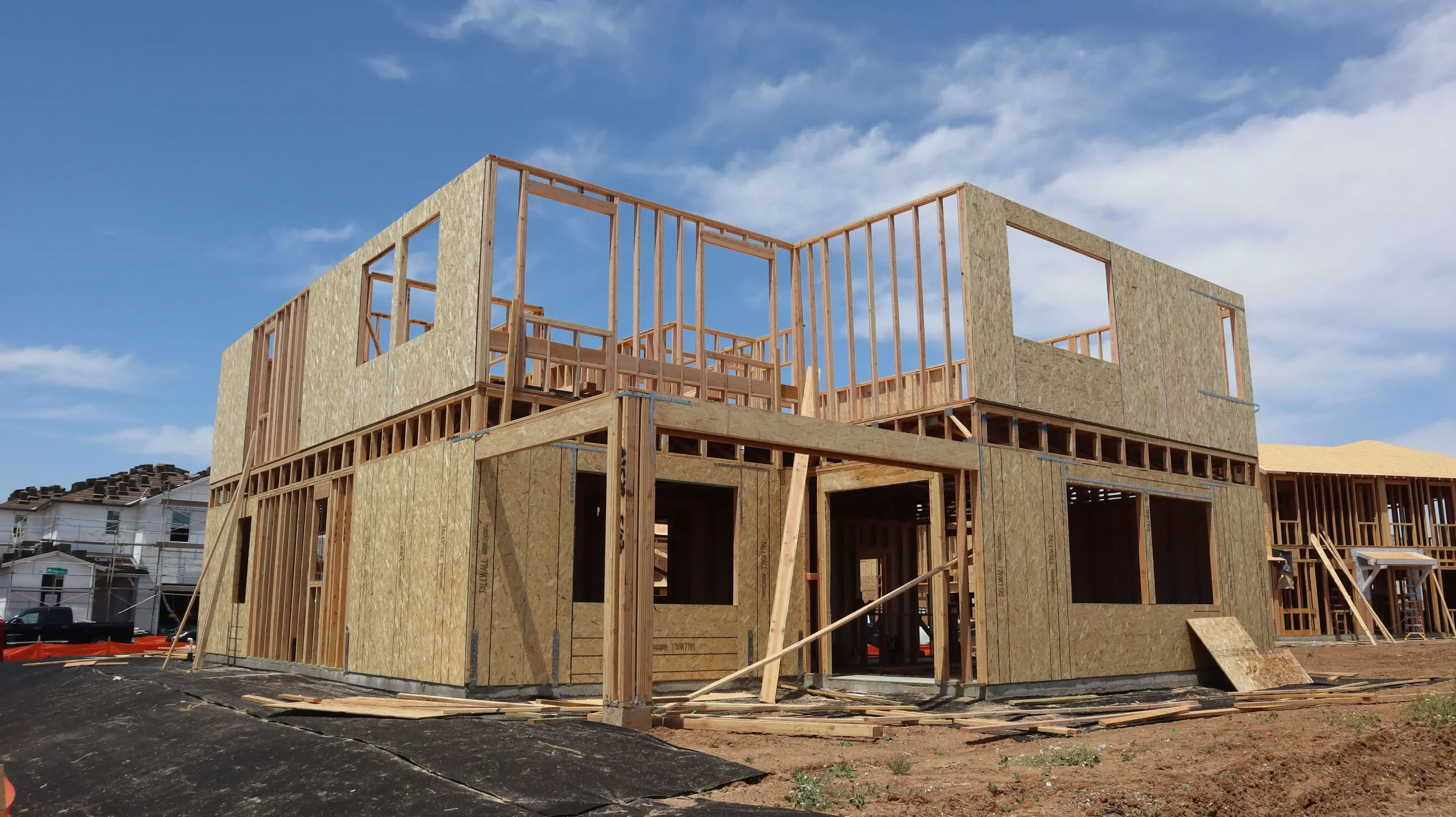
Planning your exit from a Bridging Loan into a Self-Build Mortgage
A bridging loan is only ever half the plan. The other half is your exit: the point where the short-term facility is repaid and you move onto longer-term finance. Here's how to plan a refinance into development finance or a self-build mortgage so your bridge gets approved and the exit runs smoothly.

First-time developer? How to get development finance without a track record
Every experienced developer was a first-time developer once. The challenge is that development finance lenders are, by nature, cautious about risk. And a borrower with no completed schemes to point to is, on paper, a harder case to underwrite than someone with five successful exits behind them. That doesn't mean development finance is closed to you.
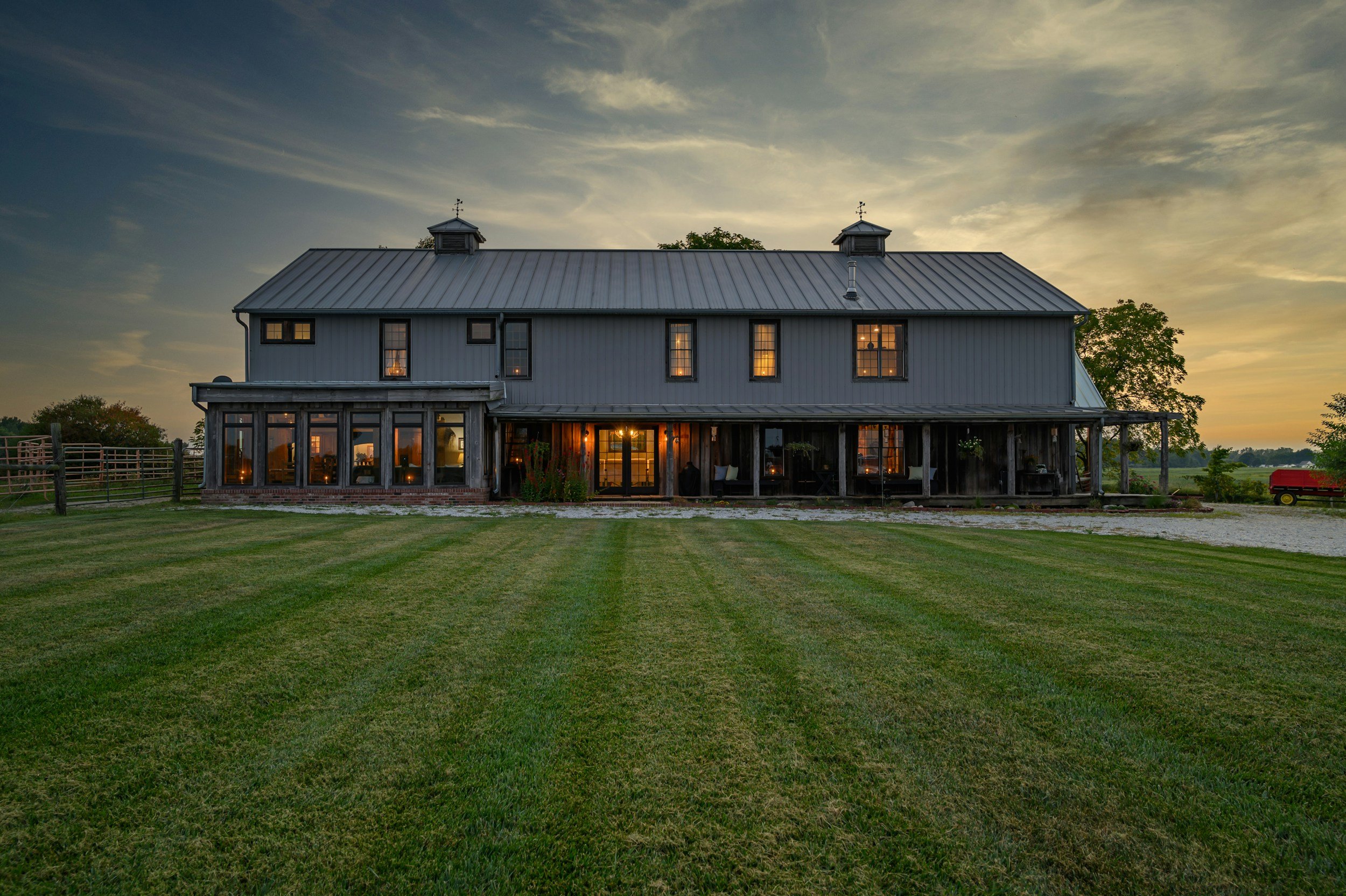
Class Q vs full planning permission: The route you take changes your barn conversion mortgage
If you’re converting a redundant agricultural building into a home, you’ll reach a fork in the road before you ever speak to a lender: do you go through Class Q permitted development, or do you apply for full planning permission?
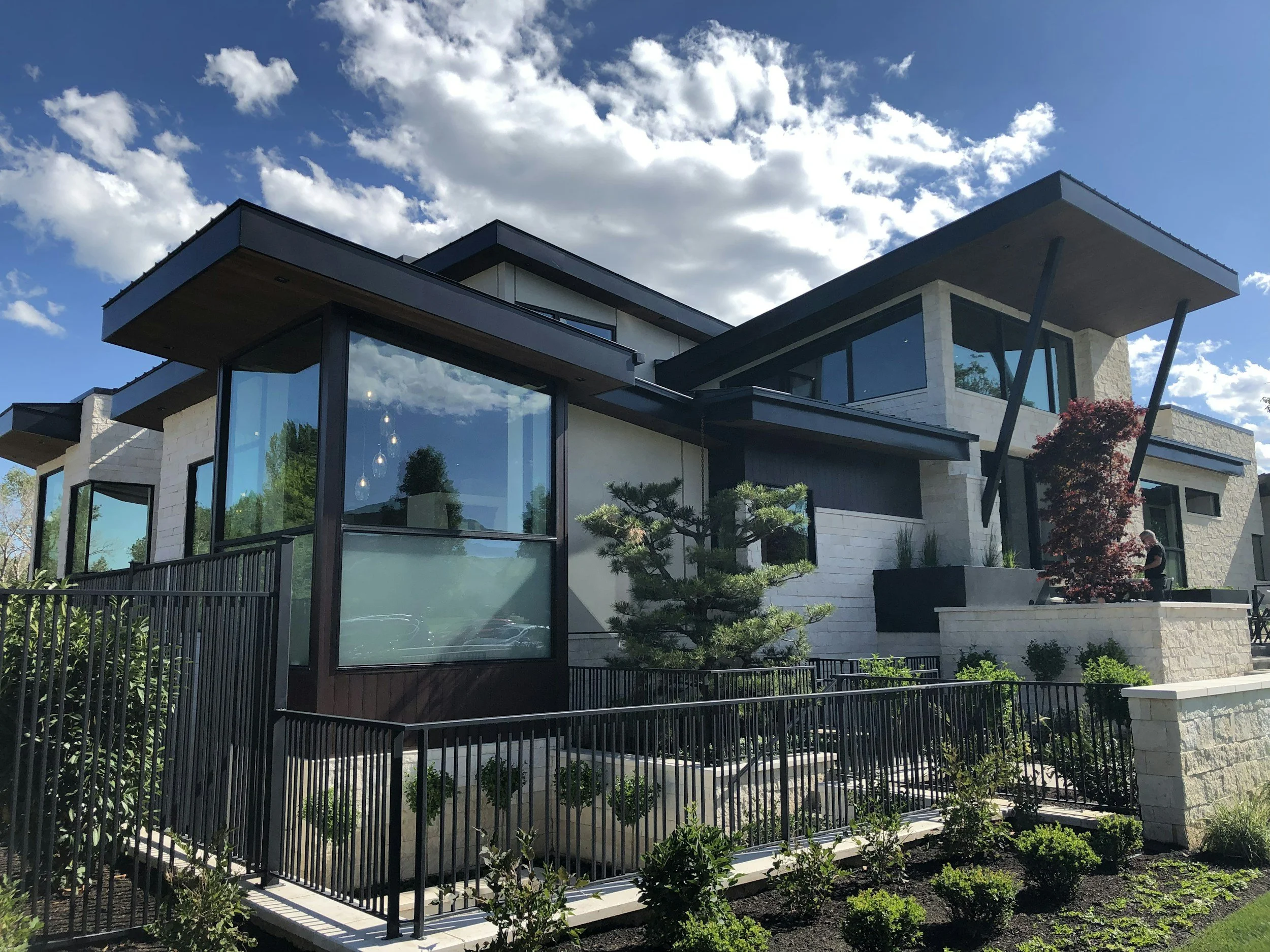
Self-Build running over budget? Here’s how lenders handle renegotiated stage payments and contingency drawdowns
Material price rises, labour shortages, groundworks surprises and simple changes of mind during the build all push costs upward, and at some point many self-builders find themselves asking the same question: what actually happens with my mortgage if my build costs more than I originally budgeted for?
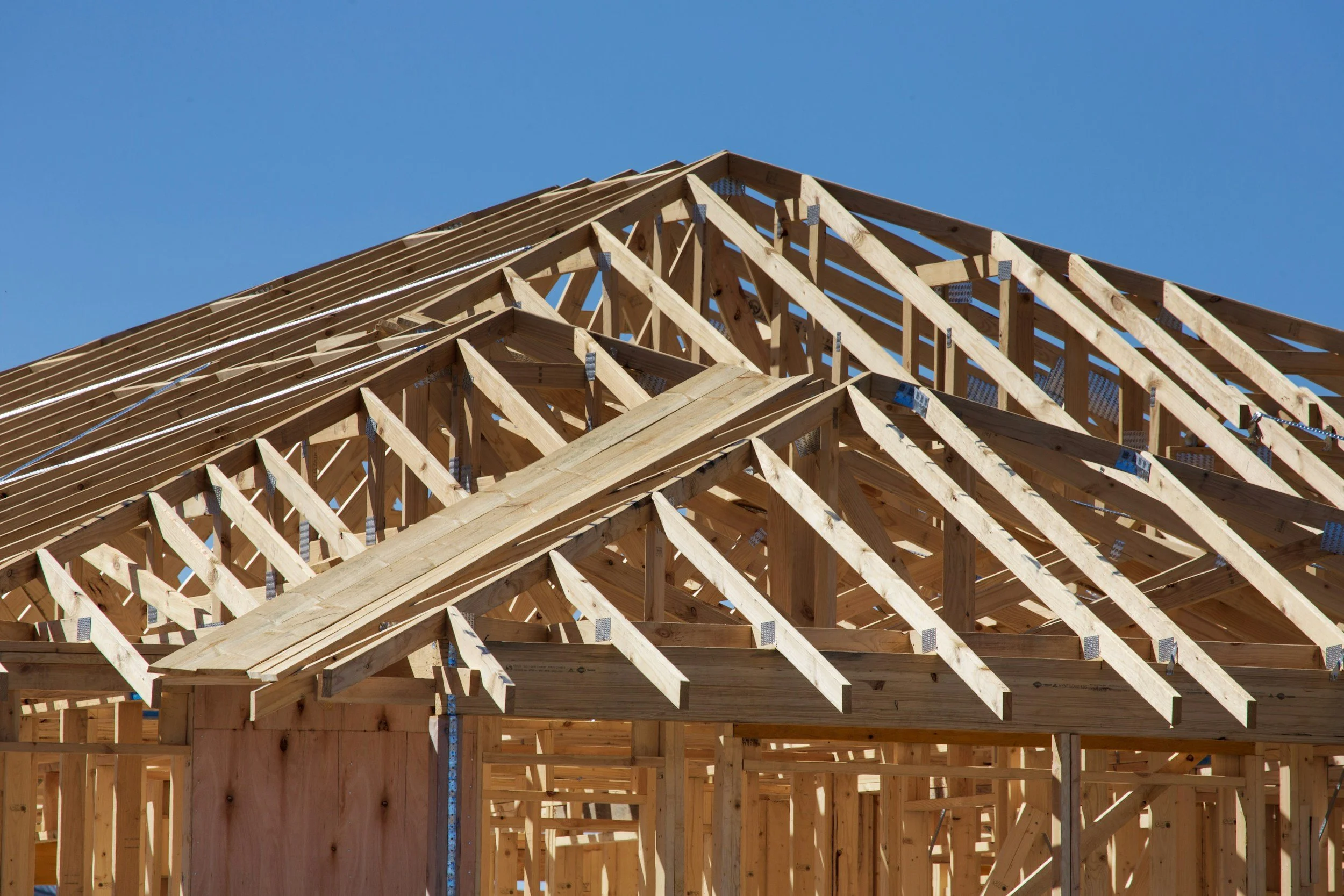
How self-employed directors and contractors can get approved for a Self-Build mortgage
If you're a self-employed limited company director or a contractor working on a day-rate basis, there’ll be even more scrutiny of your self-build mortgage application. Because the lender will be working out how to calculate your income.
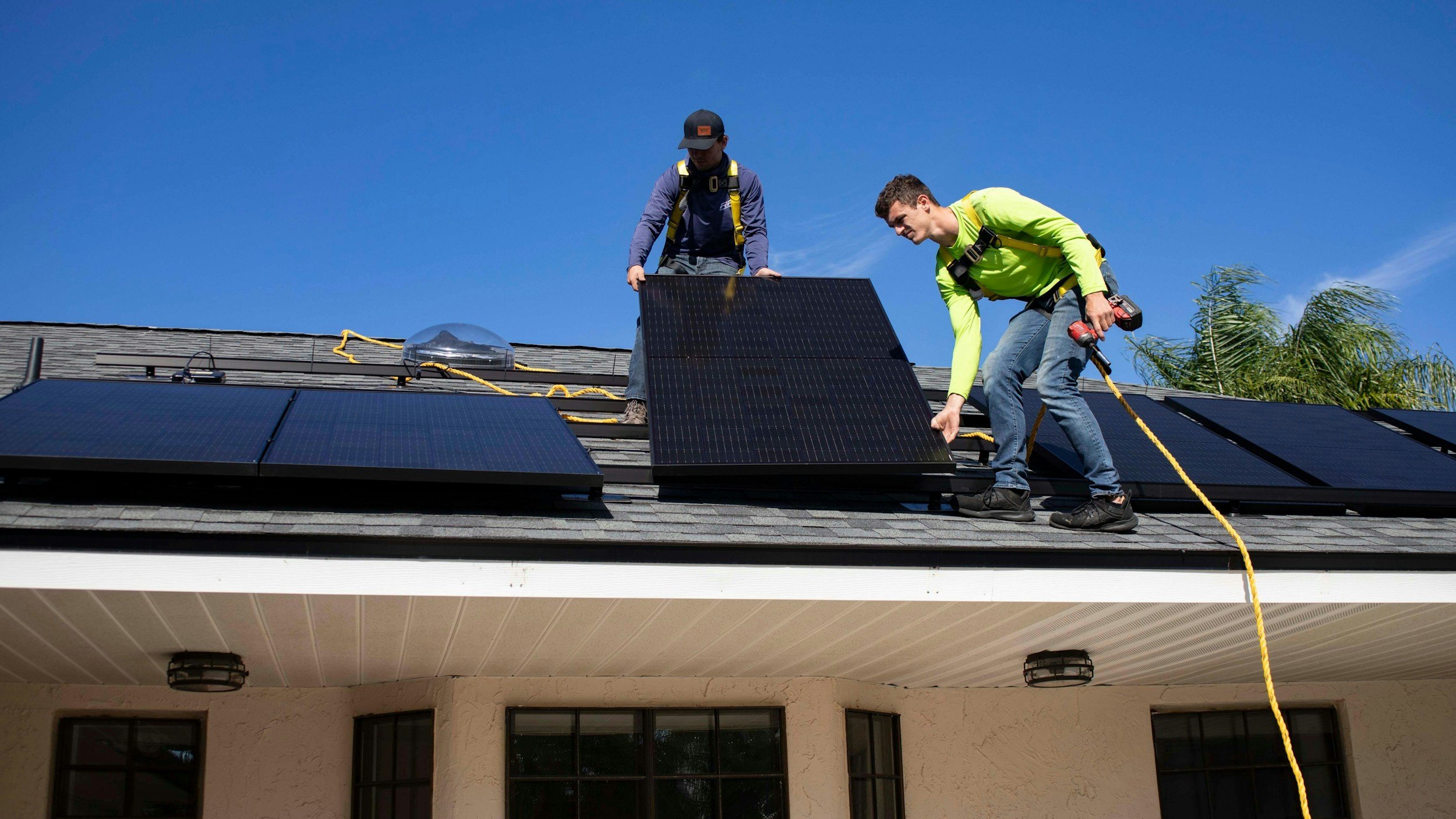
Self-Build Mortgages for Passivhaus and Net-Zero Homes: How lenders assess eco-builds
This guide looks specifically at how lenders and RICS-registered valuers assess Passivhaus and net-zero self-builds: what they're comfortable with, where they tend to get nervous, and how to present your project so that an unfamiliar specification doesn't translate into a smaller mortgage or a delayed drawdown.
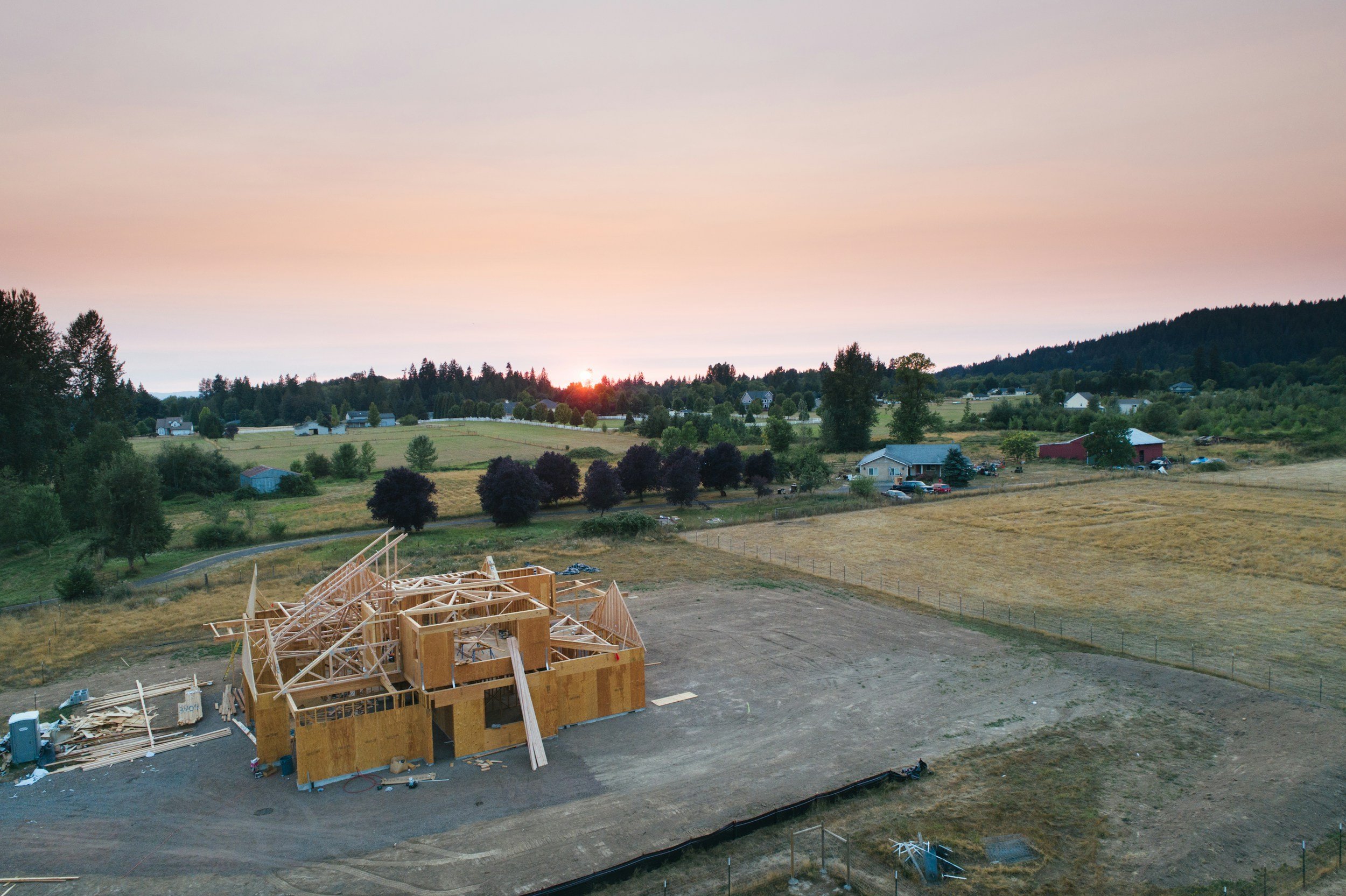
Can you get a self-build mortgage for a modular or off-site manufactured home?
The question most self-builders actually want answered, though, is simpler: will a mortgage lender treat a factory-built home the same way as a traditionally built one?
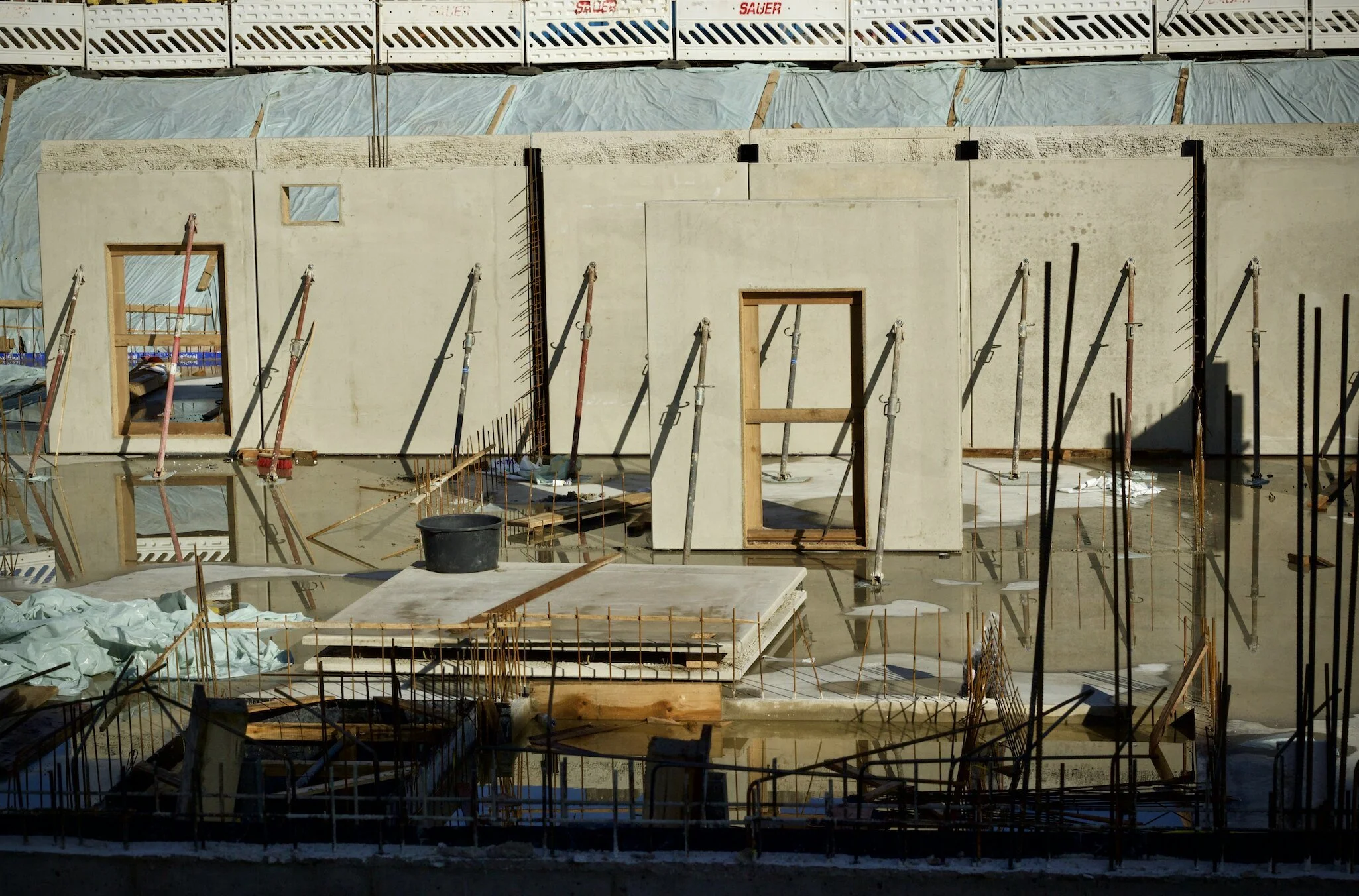
Should you get your builder to sign a contract for your self-build?
When you’re building your own home, having the right people around you matters. And if you’ve found a builder you trust, it can feel tempting to keep things informal, especially if they’ve come recommended, you’ve built a good relationship, or you simply want the process to feel straightforward.
But self-build projects involve a lot of moving parts, large sums of money, and decisions that evolve over time. That’s why having a written contract in place is so important.

How quickly can you arrange a self-build mortgage?
When you’re ready to move forward with a self-build, timing suddenly becomes one of the biggest concerns. It’s like when you’ve spent ages researching and planning for a holiday, and when it’s finally booked, you’re suddenly counting down the days and desperate for it to arrive.
But of course, whilst self-building is most definitely not a holiday, it is even more exciting.
The short answer is that a well-prepared self-build mortgage can often be arranged in around 8 to 16 weeks from start to finish. In some cases, it can be quicker. In others, it may take longer. The timeline depends heavily on how well prepared your project is and how smoothly each stage progresses.
Do you need experience to get a self-build mortgage?
In short, no, you don’t need prior building experience to get a self-build mortgage. Many people who take on a self-build are doing it for the first time, and lenders understand that.
What matters far more is how well your project is planned, costed, and supported. Lenders are mainly assessing how likely your build is to succeed, and it can of course be successful if this is your first time.

Can you get a self-build mortgage on land with an equestrian tie?
Finding land that already suits your lifestyle can feel like a real win. And so if you’re planning to keep horses, a plot with stables, paddocks or existing equestrian use can seem like the perfect starting point for a self-build.
But once you start looking into funding, things can quickly become less clear. You may come across references to equestrian ties, change of use, or different types of lending, and it’s not always obvious what applies to your situation.
The good news is that funding may still be possible. But as with many self-build projects, it depends on understanding the details properly.
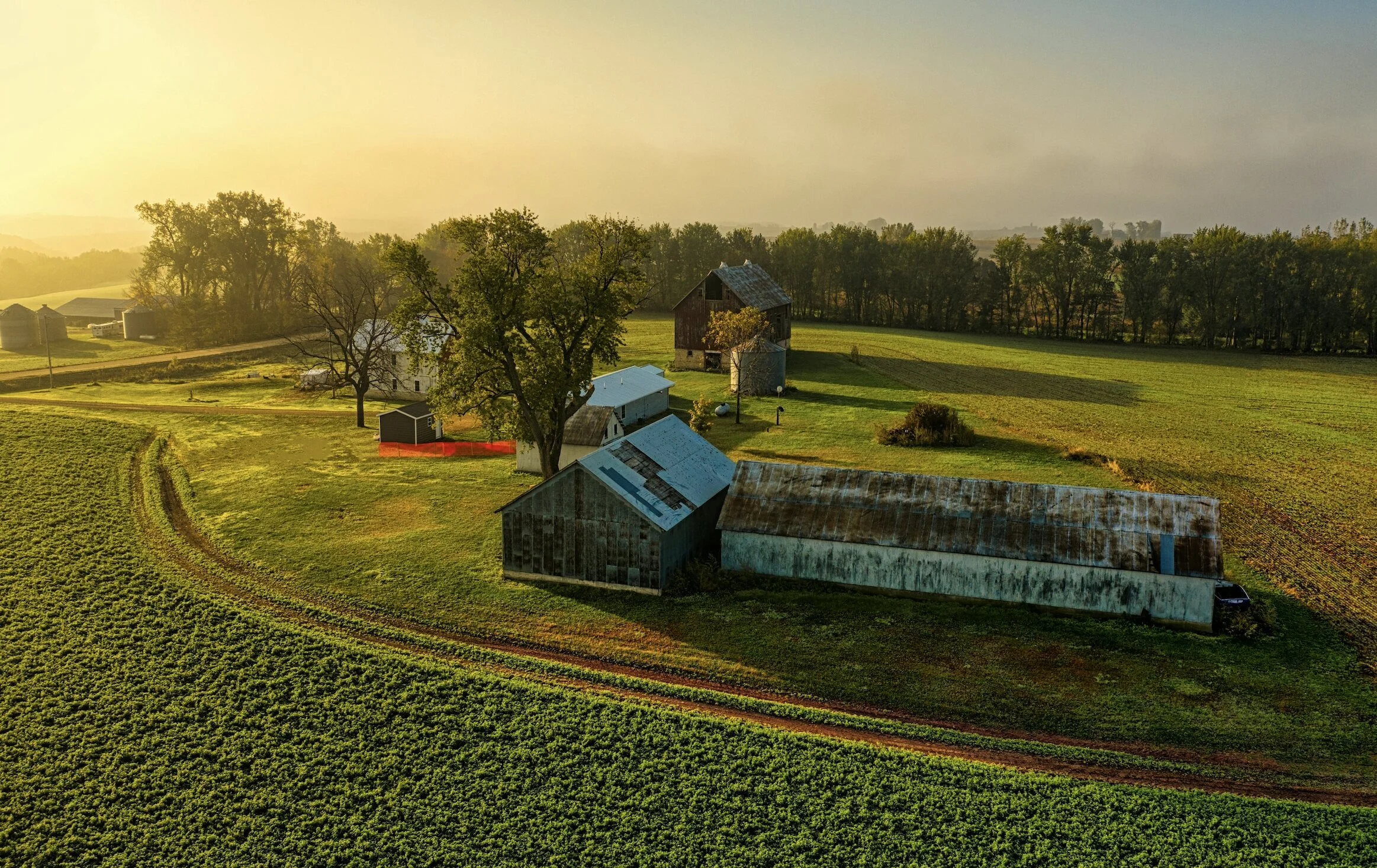
Can you get a self-build mortgage on land with an agriculrual tie?
Finding a plot of land you love, but comes with an agricultural tie, can introduce some uncertainty. You might be wondering whether you’ve found a great opportunity, or something that’s going to cause problems further down the line.
The good news is that funding can still be possible. But like most things with self-build, it depends on the detail.

How to project manage a self-build?
Running a self-build project is part organisation, part decision-making, and part problem solving. With the right approach, it becomes far more manageable.

How to find land and viable plots for your self-build,
The hardest part of many self-build projects isn’t the house: it’s finding the right plot. Here’s how experienced self-builders actually uncover viable land opportunities.
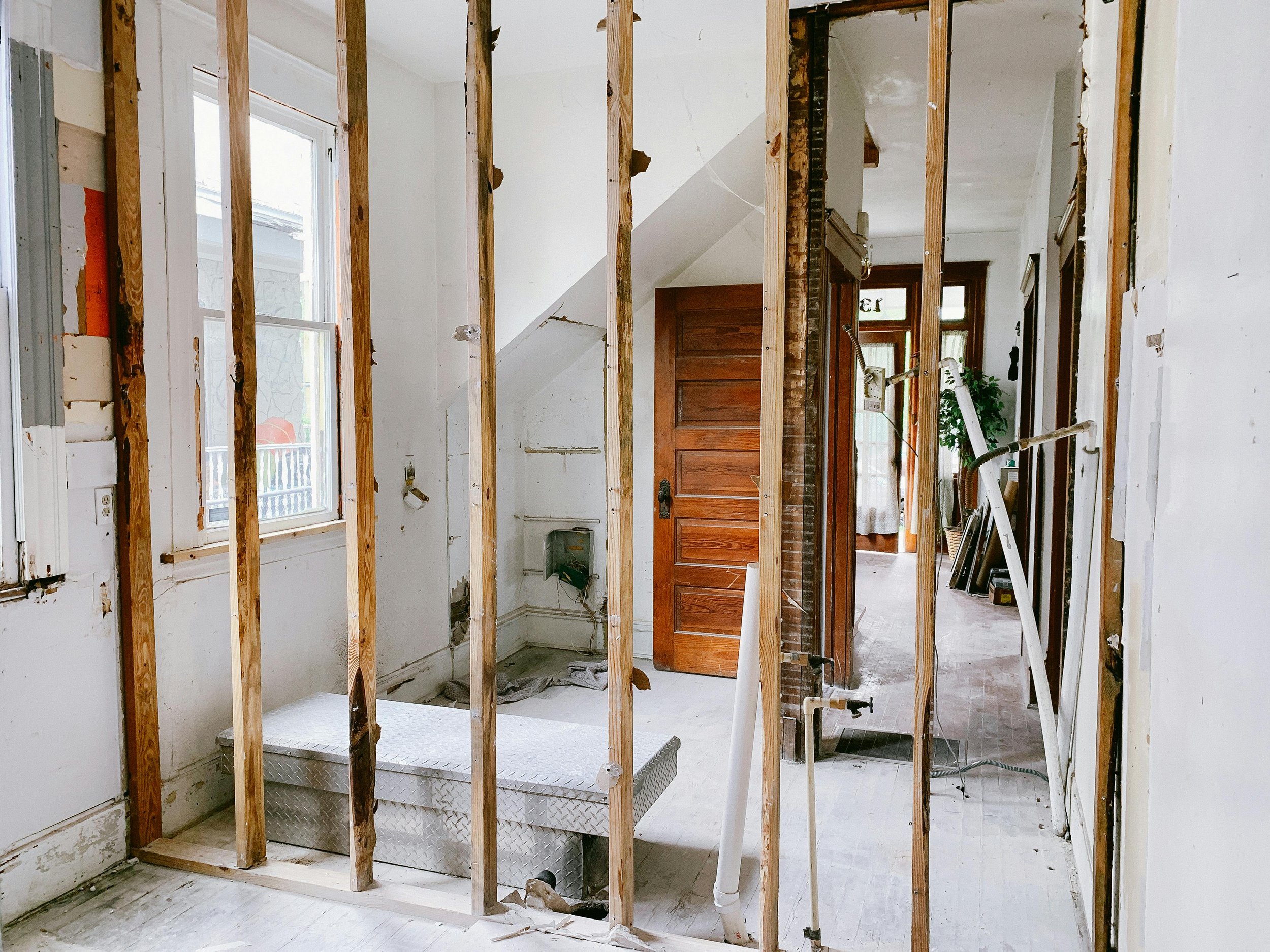
What are the benefits of internal walls in a house?
Internal walls do far more than divide rooms. They influence acoustics, fire safety, structural stability and even how your home feels to live in.
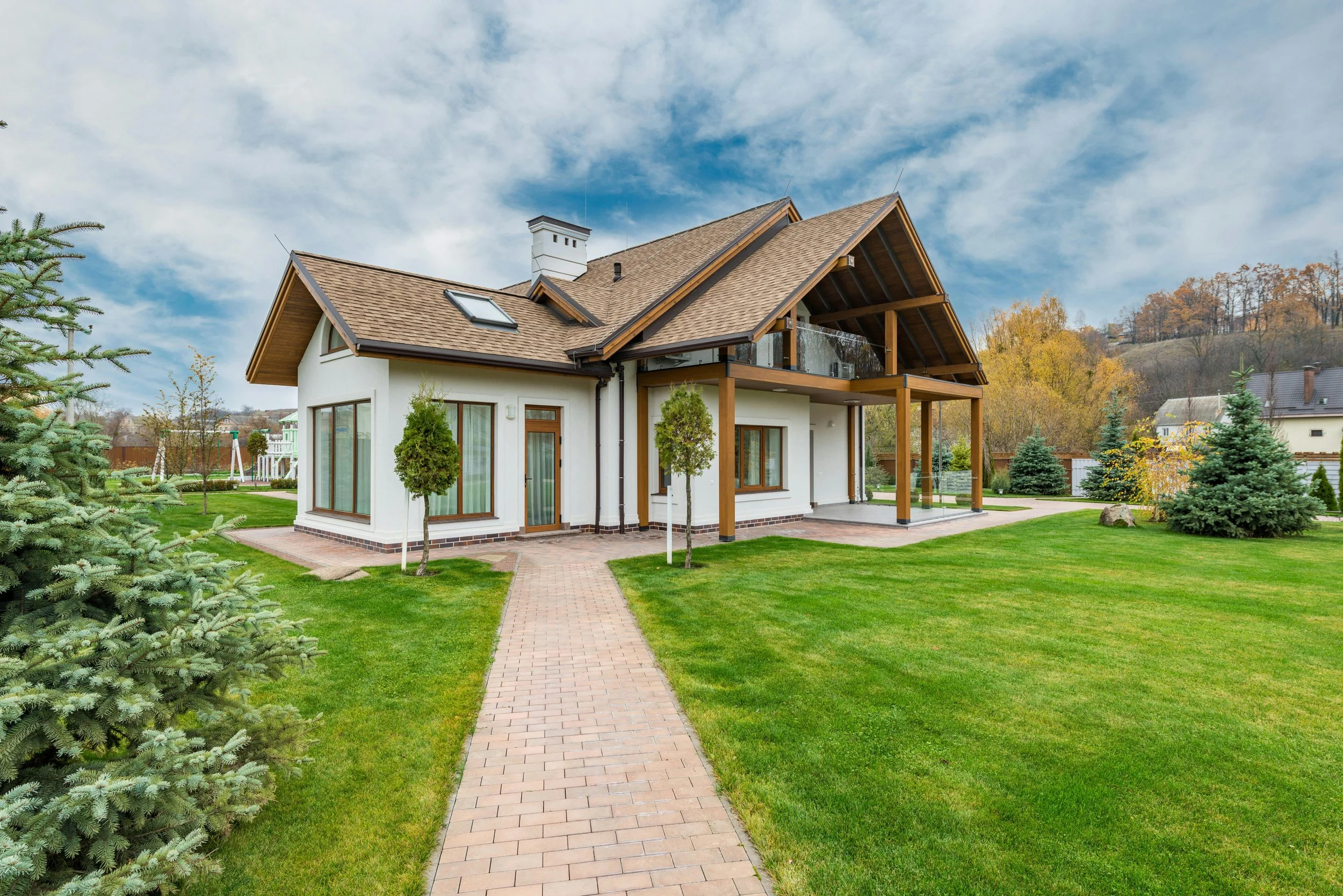
Do I need a project manager for a self-build?
Some self-builders manage the entire project themselves, while others bring in professionals to run the build. The right choice depends on time, experience and risk appetite.