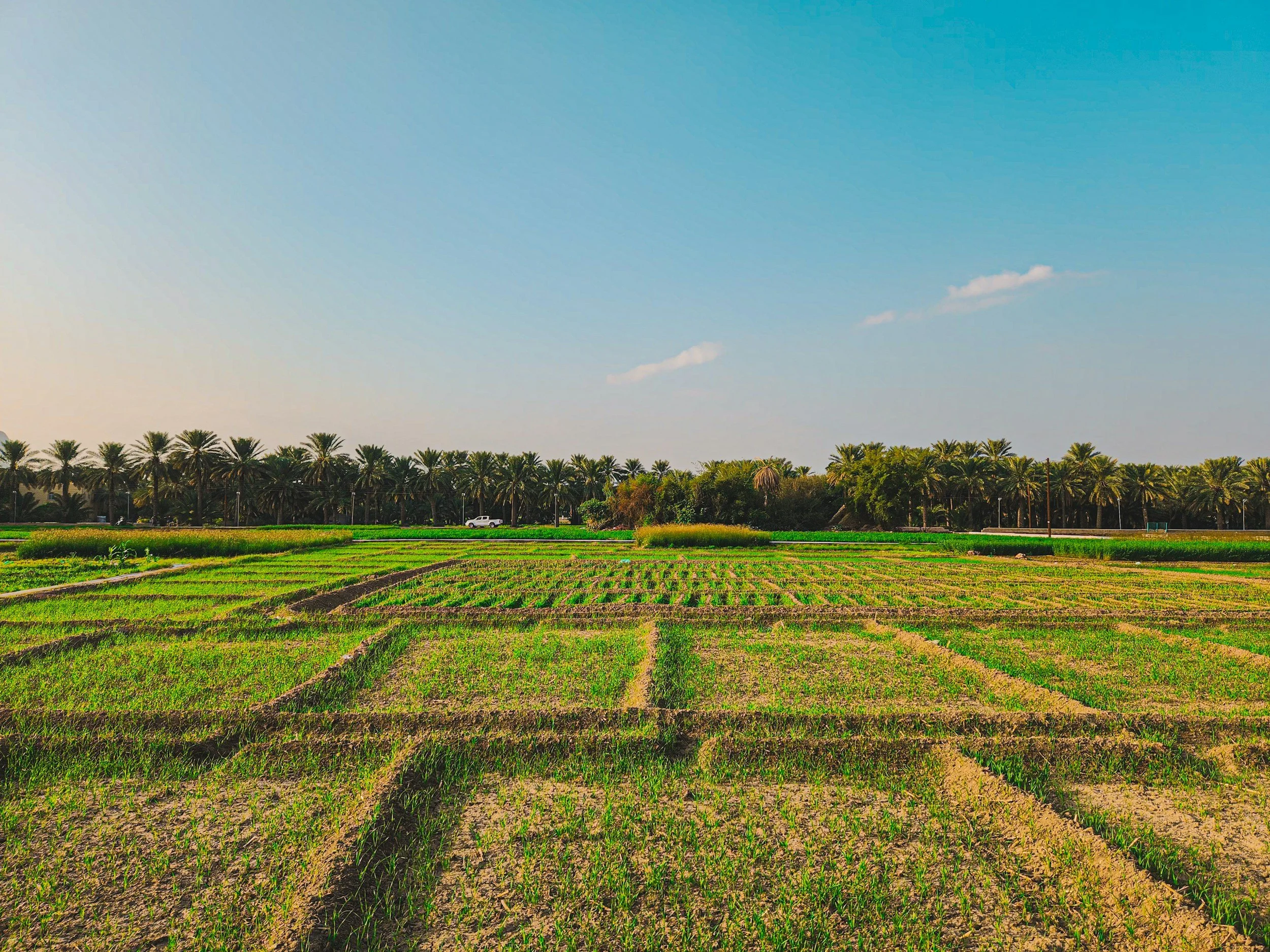
How to assess a plot for a self-build?
Picking your plot is one of the most, if not THE most, important part of your self-build. It’s easy to be swept away by a pretty view or a low asking price, but experienced self-builders know: the wrong site can ruin your project before it starts.
1. Access
Access is often the first deal-breaker for a self-build plot. The first question to ask is very simple:
Can you legally and safely reach the plot from a public road?
If the land connects directly to a public road, that's usually straightforward. But sometimes access might cross someone else's land. When that happens, you need to make sure there are legal access rights in place, sometimes called rights of way or easements. Without those, you might not actually have the legal right to drive onto the land.
Another thing planners often look at is road safety. For example, when a car exits your driveway, is there enough visibility in both directions to see oncoming traffic? These are called visibility splays, and the rules around them can be surprisingly strict. In fact, some plots fail planning permission purely because cars wouldn’t be able to exit safely onto the road. So access is always one of the first things worth checking.
2. Orientation and the shape of the land
Next, think about how the plot sits physically. Two things matter here: orientation and topography.
Let’s start with topography, which simply means how flat or sloped the land is. A flat plot is usually cheaper and easier to build on. A sloping plot, on the other hand, can create beautiful architecture and great views, but it often requires things like:
More complex foundations
Retaining walls
More excavation work
Then there’s orientation, which means the direction the plot faces. For example, south-facing plots are popular because they allow lots of natural light and can help with passive solar heating. But there’s also a balance to think about.
Too much sun without proper shading can sometimes lead to overheating inside the house, especially with large glass areas. So when looking at a plot, try to imagine how your house would actually sit on the land.
Where would the living spaces face?
Where would the garden be?
Where would sunlight fall throughout the day?
3. The surrounding environment
Next, take a good look at what’s around the plot. It’s easy to focus only on the land itself, but what surrounds it can have a huge impact on whether it’s a nice place to live long-term. Some things worth paying attention to include:
Noise, such as busy roads, industrial areas, or even dog kennels.
Smells. Nearby farms or sewage works can sometimes create unpleasant odours depending on the wind direction.
And future development, for example, could it be that the open field next door becomes a large housing estate in a few years?
Local infrastructure plans, such as new roads or bypasses, can also dramatically change the character of an area.
So always try to think beyond the plot itself and ask: Would I genuinely enjoy living here in five or ten years?
4. Access to utilities and services
Another important factor is how the plot connects to utilities, like water, electricity, and sewer connections.
If these services are already nearby, connecting to them may be relatively straightforward. But if the nearest connection point is hundreds of metres away, the cost of bringing services to the site can increase very quickly. Sometimes self-builders use private drainage systems, such as septic tanks or sewage treatment plants. These can work well, but environmental rules around drainage and discharge are becoming increasingly strict, so it's important to understand what’s allowed before moving forward.
5. Ground conditions
Ground conditions are among the most important technical factors and are often overlooked by beginners. Before building, engineers often carry out ground investigations, which are tests that analyse the soil beneath the site. This might sound like an extra expense, but compared to the cost of building foundations, it’s usually money very well spent.
Different soil types can dramatically affect foundation costs. For example:
Clay soils can move as moisture levels change.
Peat or soft soils may not support the weight of a house easily.
A high water table can complicate excavation and drainage.
In some cases, ground conditions can add tens of thousands of pounds to foundation costs. And if land is contaminated from previous industrial uses, that could even stop a project completely. So understanding the ground conditions early is extremely valuable.
6. Planning context
Finally, it's important to understand the planning situation for the land. Some questions worth investigating include:
Is the plot inside or outside the local settlement boundary?
Have nearby plots been granted planning permission recently?
Has this particular plot been refused planning before, and if so, why?
Looking at local planning history can give you useful clues about whether a new application is likely to succeed.
Want to do a field test?
Next time you visit a site, bring a notebook and jot down answers to a few quick questions. For example:
Where is the nearest house?
Where is the nearest telegraph pole, electricity connection, or manhole cover?
How steep is the land?
What sits around the plot boundaries: trees, neighbouring houses, farmland?
Have any nearby plots had planning applications recently?
This quick exercise won’t replace professional surveys, of course. But it helps train your eye and encourages you to think about the site more critically before committing to a purchase.
Choosing the right plot is one of the most important decisions in the entire self-build journey. A great plot can make the project smoother, cheaper, and more enjoyable. The wrong plot can create complications before you’ve even started designing the house.
So taking the time to properly assess a site is always worth it.
If you're currently looking for land, Mayflower Mortgage has a free plot finder tool that can help.
It notifies you whenever a new self-build plot becomes available within 30 miles of your chosen location, including some off-market opportunities that aren’t widely advertised.
And if you’d like an expert opinion on a potential plot or want to understand the finance side of a self-build project, you can also book a free, no-obligation call with our team.
We’re always happy to talk through your plans.